The Ultimate Backend Engineer Interview Roadmap (2026)
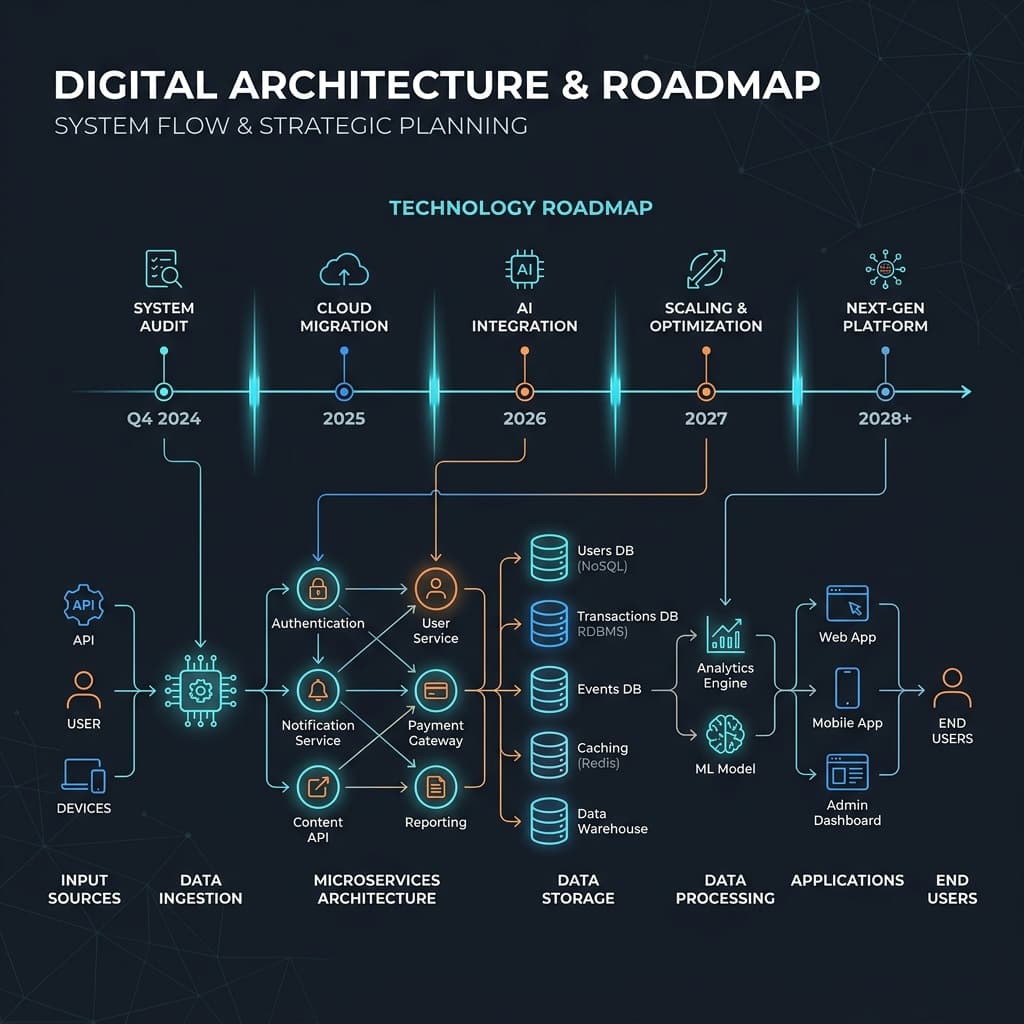
What to Expect in a Backend Engineer Interview
The backend engineer interview is designed to test your ability to build scalable, secure, and highly available systems. While frontend engineers focus on the user experience, backend engineers must obsess over data integrity, latency, and fault tolerance.
If you are aiming for a role at a FAANG company, you must be prepared for rigorous algorithmic coding, deep database knowledge, and the infamous backend system design round.
1. Data Structures and Algorithms
Backend systems handle massive amounts of data. You must prove you can process it efficiently.
- Graphs and Trees: Used for routing, recommendation engines, and organizational hierarchies.
- Hash Maps: The foundation of caching systems.
- Concurrency: Be prepared to write multi-threaded code and explain race conditions, deadlocks, and mutexes (especially if interviewing in Java, Go, or C++).
2. The API Design Interview
You will almost certainly face an API design interview. You will be asked to design the endpoints, payloads, and response codes for a specific service.
Example Prompt: "Design a RESTful API for a Ride-Sharing app like Uber."
Key Concepts to Master:
- REST vs GraphQL vs gRPC: When should you use which? (Hint: use gRPC for internal microservice communication and GraphQL for flexible client data fetching).
- Pagination: Cursor-based vs Offset-based pagination.
- Idempotency: How do you ensure that if a payment API is called twice by accident, the user is only charged once? (Using idempotency keys).
- Rate Limiting: Protecting your API from DDoS attacks using Token Bucket or Leaky Bucket algorithms.
3. Database Deep Dive
A backend engineer is only as good as their database knowledge.
- SQL vs NoSQL: Be able to articulate exactly when to use PostgreSQL (ACID compliance, complex joins) vs DynamoDB/MongoDB (flexible schema, massive horizontal scale).
- Indexing: How do B-Tree indexes work? What is a composite index?
- Scaling: Explain Database Sharding (partitioning data across multiple machines) and Read Replicas.
4. Backend System Design
This is where senior candidates are made or broken. You will be asked to design a massive distributed system (e.g., "Design Netflix" or "Design a Rate Limiter").
You must discuss:
- Load Balancing: Distributing traffic across servers.
- Caching: Using Redis or Memcached to reduce database load. Cache invalidation strategies (Write-through vs Write-around).
- Message Queues: Using Kafka or RabbitMQ to decouple services and handle asynchronous processing (e.g., sending email receipts).
Preparation Strategy
Backend interviews require you to think at scale. Don't just write code that works for 10 users; write code that works for 10 million users. Practice your backend system design skills out loud with an AI interviewer to ensure you can clearly articulate trade-offs between consistency and availability.

InterviPrep Team
Ex-FAANG Engineers & Tech Leads
Our engineering experts have conducted hundreds of technical interviews at top-tier tech companies. They bring deep insights into system design, DSA, and hiring rubrics to help you ace your interviews.